Latex resistance bands are popular for strength training, physical therapy, and mobility exercises because of their superior elasticity and durability. But have you ever wondered how high-quality latex bands are made? In this guide, we’ll explain the complete manufacturing process of latex resistance bands, step by step.
1. Selecting Premium Natural Latex
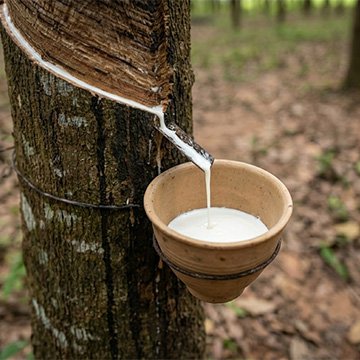
The production of resistance bands starts with high-quality natural latex sourced from rubber trees. Premium latex ensures:
- High elasticity for smooth stretching
- Durability for thousands of uses
- Consistency in resistance levels
Manufacturers carefully test raw latex for viscosity, purity, and tensile strength before processing.
2. Mixing and Compounding
After selecting the latex, it is mixed with additives to improve performance:
- Stabilizers prevent degradation over time
- Color pigments give vibrant, long-lasting shades
- Plasticizers enhance flexibility and smooth stretch
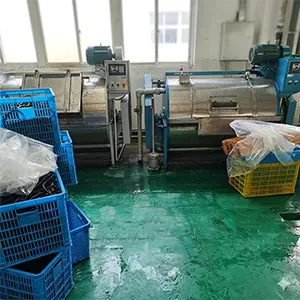
The mixture is blended in industrial mixers to ensure uniform consistency, which is essential for consistent elasticity and strength across each batch.
3. Sheet Forming or Extrusion:
Next, the latex mixture is shaped:
- Sheet Rolling – the latex is rolled into thin, even sheets.
- Extrusion – used to form tubular latex bands for specific exercises
4. Vulcanization (Curing Process)
Vulcanization is the key step that turns raw latex into a strong, elastic band:
- Latex sheets or tubes are heated under pressure.
- Sulfur or other vulcanizing agents form cross-links between latex molecules.
- This process increases strength, elasticity, and durability, making bands safe and reliable for thousands of stretches.
5. Cutting, Sealing, and Finishing
Once vulcanized:
- Bands are cut to standard lengths for different exercises.
- Tubular bands are sealed at the ends to prevent unravelling.
- Edges are smoothed to prevent tearing.
- Optional resistance level markings or logos are added.
6. Quality Control and Testing
Every latex band undergoes rigorous testing:
- Stretch tests to verify resistance levels:
- Durability tests for repeated stretching
- Visual inspection to detect air bubbles, cracks, or uneven thickness
High-quality latex bands can withstand 10,000+ stretches, ensuring long-term use for home, gym, or rehabilitation training.
7. Packaging
Finally, the bands are carefully packaged:
- Individual boxes or polybags
- Exercise instructions or resistance charts
- Optional handles, door anchors, or carrying cases
Proper packaging protects the bands during shipping and ensures they arrive ready to use.
Conclusion:
The manufacturing of latex resistance bands involves precise selection, careful mixing, sheet forming, vulcanization, cutting, and rigorous quality control. Each step ensures that the finished bands are durable, elastic, and safe, providing reliable performance for strength training, rehabilitation, and mobility exercises.